You're standing in the hardware store aisle, staring at rows of sprays, traps, and powders, wondering if that $15 solution will finally stop the ants marching across your kitchen counter. Or maybe you've already tried three DIY methods, and the mice in your garage are practically waving at you now. Deciding between handling pests yourself and calling in a professional isn't always straightforward. Both approaches have their place, and the right choice depends on your specific situation, the pest you're facing, and how much time and peace of mind you're willing to invest.
DIY Pest Control vs Hiring a Professional: Understanding the Limits
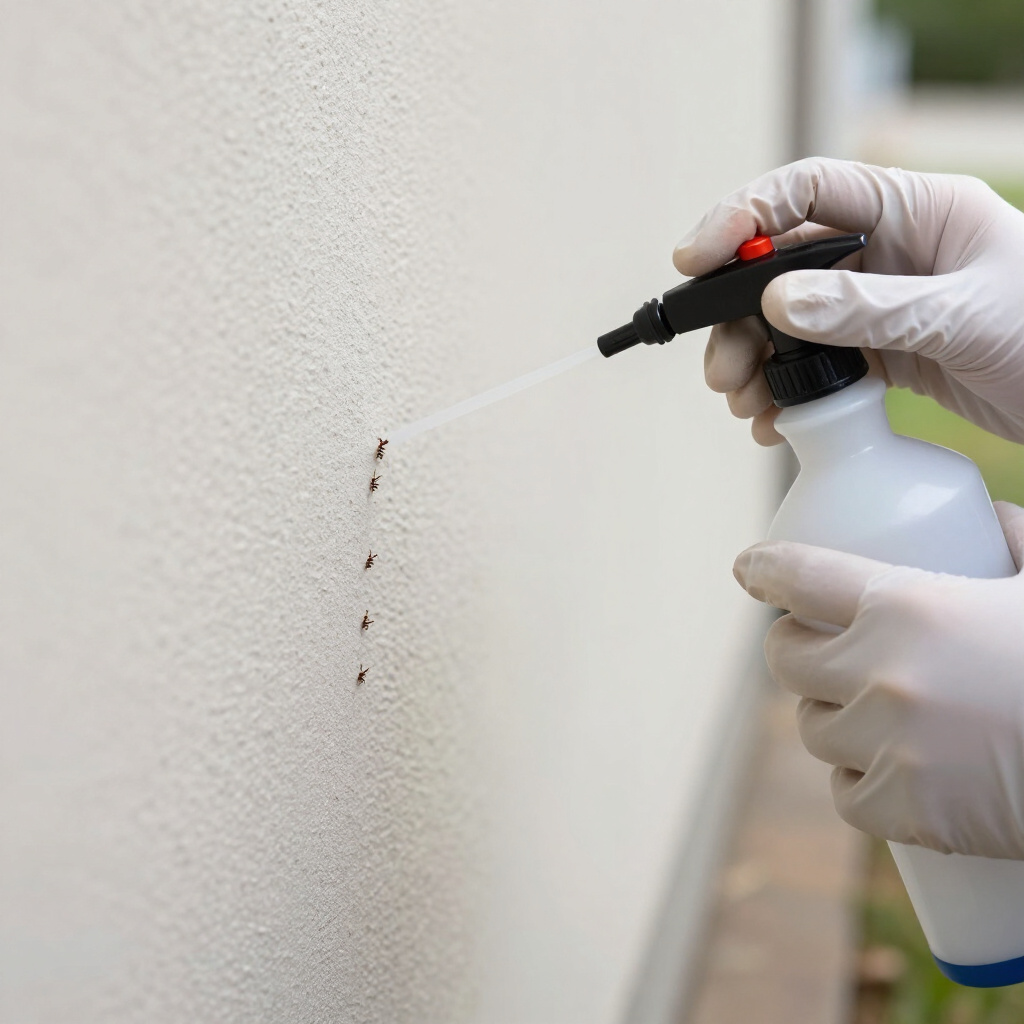
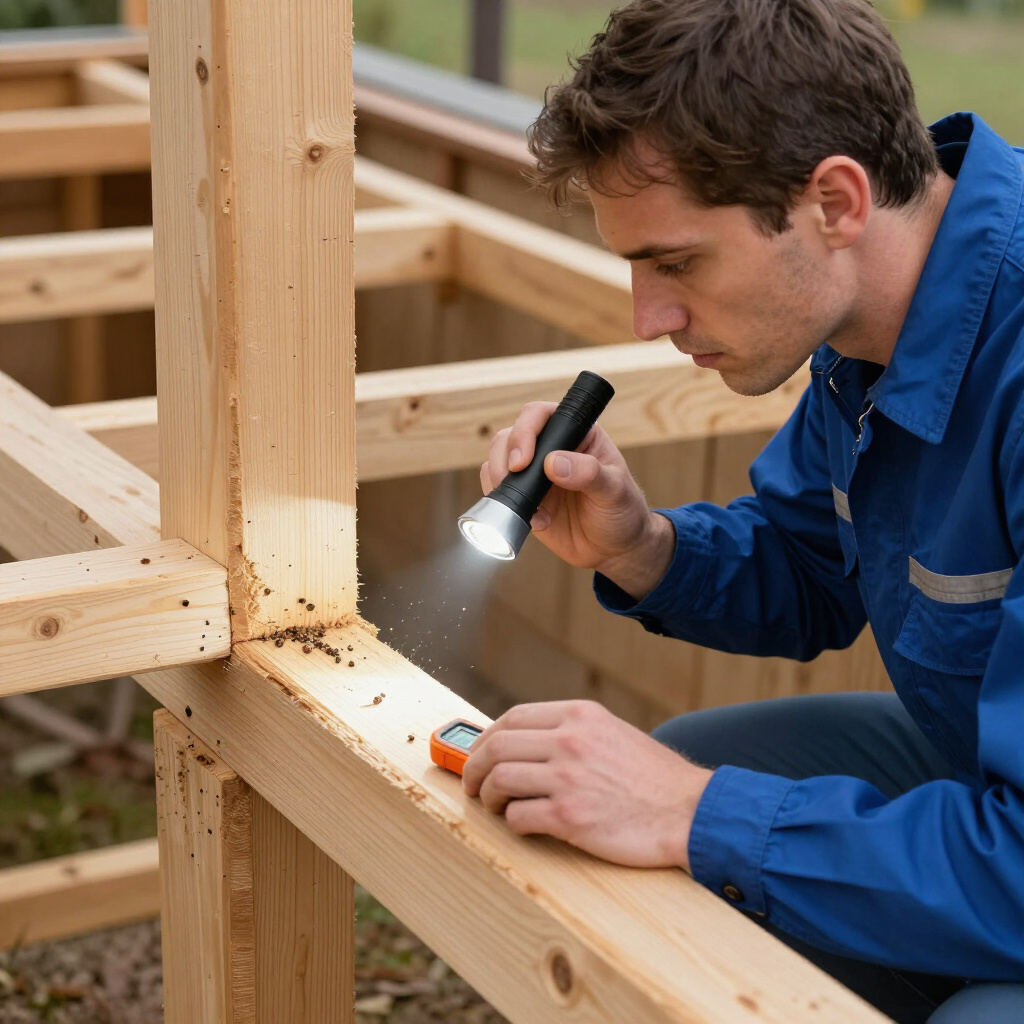
DIY pest control works best for minor, isolated problems. A few ants finding their way to a forgotten crumb, a single wasp nest you can spot clearly, or the occasional spider in your basement—these scenarios often respond well to over-the-counter solutions. Store-bought baits, sprays, and mechanical traps can provide quick relief when used correctly, and they let you address the issue on your schedule without waiting for an appointment. However, DIY methods come with significant limitations. Most consumer products treat symptoms, not causes. You might kill the ants you see without ever finding the colony hidden in your wall void. Sprays can drive pests deeper into your home, making the eventual professional treatment more complex and expensive. Misidentification is another common pitfall: what looks like a harmless carpenter ant could actually be a termite swarm, and treating them the same way wastes precious time while structural damage continues. Safety concerns also deserve attention. Many homeowners apply pesticides too heavily, in wrong locations, or without proper protective equipment. This risks exposure to children, pets, and beneficial wildlife. Reading labels helps, but understanding integrated pest management principles—how pests behave, where they nest, and how products actually work—takes training that most DIYers haven't received.
When Professional Pest Control Becomes the Smarter Investment
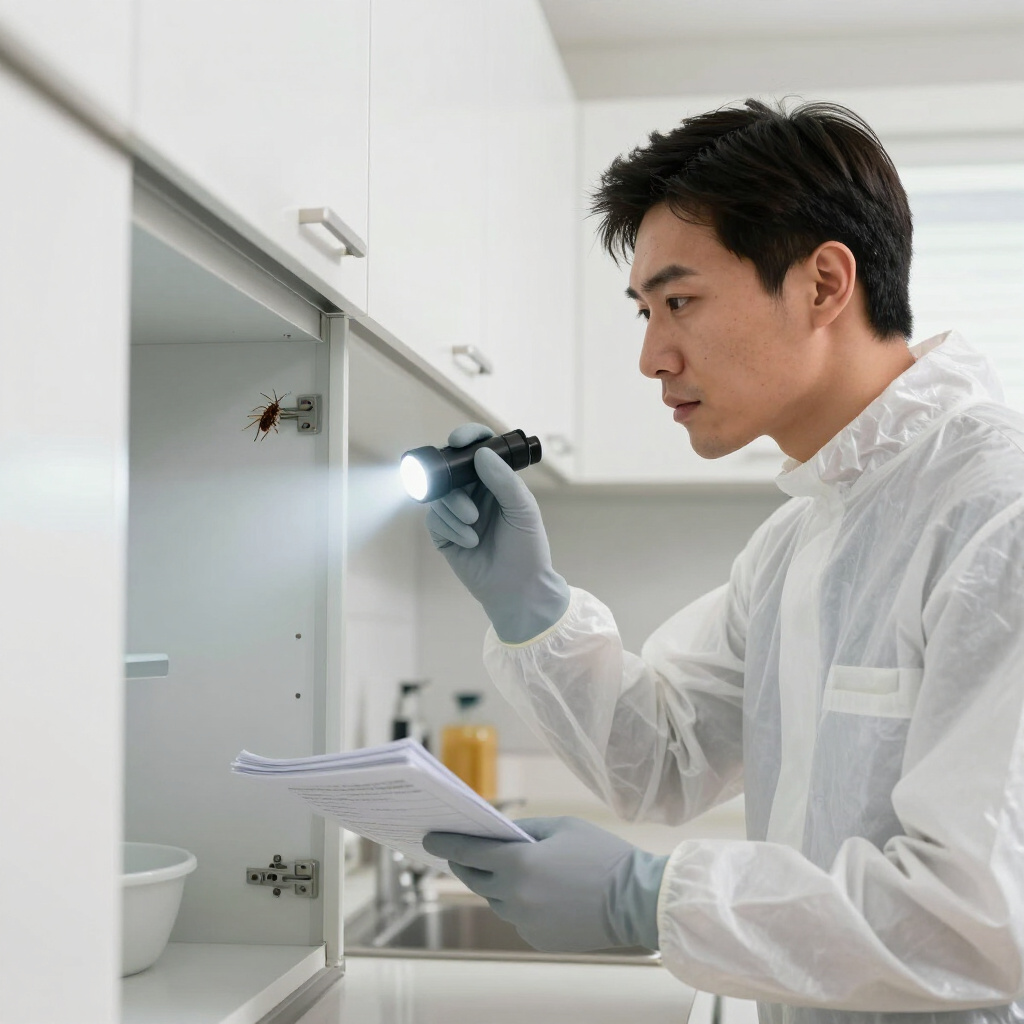
Certain situations virtually demand professional expertise. Termites top this list, as do bed bugs, widespread rodent infestations, and any pest issue affecting food preparation areas or healthcare environments. Professionals bring specialized equipment, commercial-grade products unavailable to consumers, and most importantly, trained eyes that spot what untrained observers miss. The true value of professional service extends beyond elimination. Technicians perform thorough inspections to identify entry points, moisture problems, and conducive conditions you might never notice. They develop customized treatment plans based on your home's construction, your family's health considerations, and the specific pest species involved. This targeted approach often proves more cost-effective long-term than repeatedly buying ineffective DIY products. Reputable companies also provide guarantees and follow-up monitoring. If pests return, so do they—without additional charges in many cases. This accountability simply doesn't exist with store-bought solutions. For busy professionals, families with young children, or anyone managing health conditions that make chemical exposure risky, delegating pest control frees mental bandwidth for other priorities.
Key Tips for Making the Right Choice
Before deciding your path, assess your situation honestly. Consider the pest type, infestation size, your home's vulnerabilities, and your own comfort level with chemicals and pest encounters. Start with these practical guidelines: Try DIY first when: You're dealing with a small, recent problem; you can identify the pest confidently; the issue remains confined to one accessible area; and you have time to research proper techniques and monitor results carefully. Call a professional when: You notice structural damage, droppings, or multiple pests in different areas; the problem persists after two DIY attempts; you're dealing with stinging insects in high-traffic areas; or the pest poses health risks (rodents, cockroaches, or disease-carrying wildlife). If you do hire help, ask prospective companies about their licensing, insurance, treatment methods, and guarantee terms. Request integrated pest management approaches that minimize chemical use. A trustworthy professional welcomes your questions and explains their reasoning clearly. For committed DIYers, invest in proper identification before purchasing products. Your local extension office provides free resources, and many offer photo submission services. Always follow label directions precisely—more product rarely means better results and often creates new hazards.
Final Thoughts
DIY pest control vs hiring a professional isn't a moral test of your capability or independence. It's a practical decision weighing time, money, effectiveness, and risk. Small victories with minor problems build confidence and save cash. Recognizing when a situation exceeds your expertise protects your home's integrity and your family's wellbeing. The wisest homeowners know both paths and choose deliberately rather than reactively. Whether you're sealing cracks with caulk this weekend or scheduling a technician's inspection, taking action beats ignoring the problem—because pests rarely resolve themselves, and they never negotiate for more time.