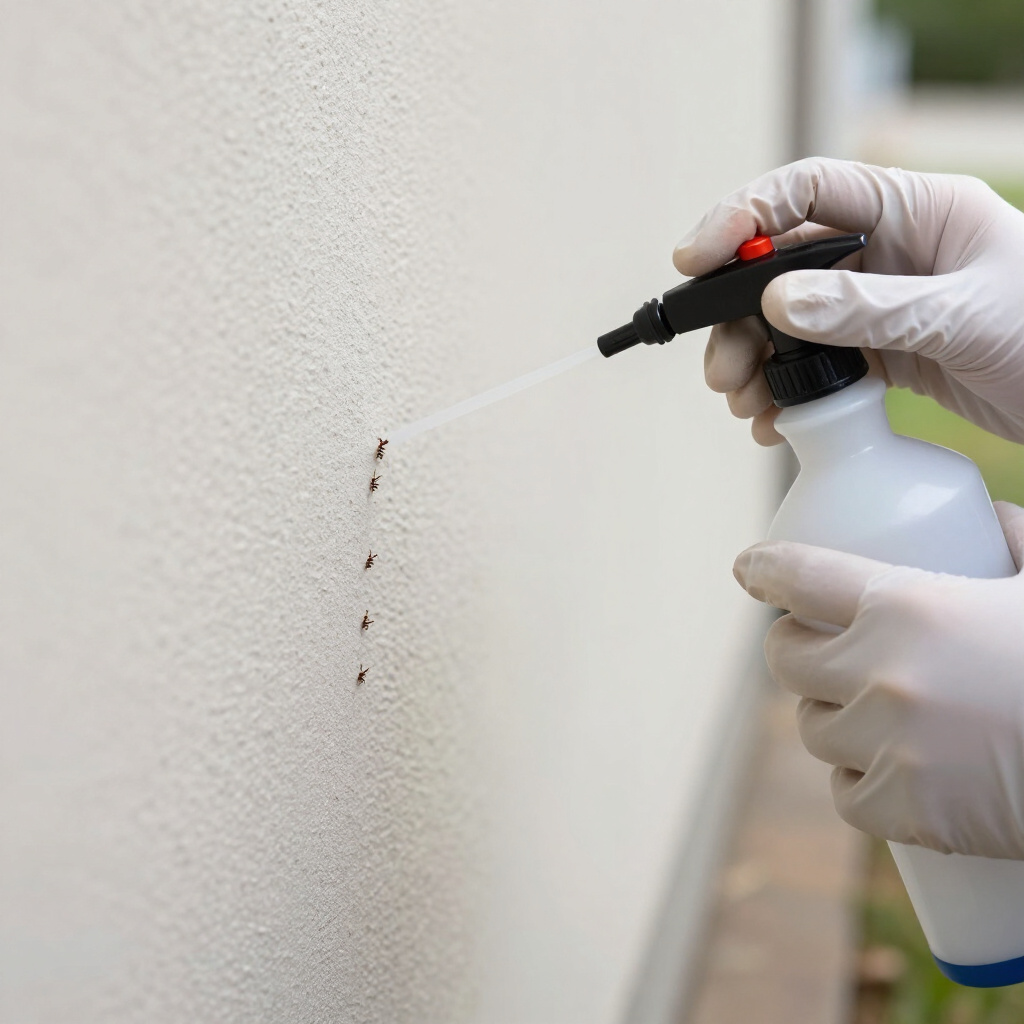


Few things are more frustrating than spotting a trail of ants marching across your kitchen counter. One moment your home feels spotless, and the next you're watching a tiny army help themselves to crumbs you didn't even know existed. Ants are remarkably resourceful creatures, and once they find a reliable food source, they waste no time sharing that discovery with the entire colony. The good news? With the right approach, you can make your home far less appealing to these persistent invaders and stop problems before they start.
How to Prevent Ants From Invading Your Home Starts With Eliminating Food Sources
Ants enter your home for one primary reason: they're hungry. Your first and most powerful line of defense is removing the temptations that draw them inside in the first place. Start in your kitchen, where even microscopic food residues can send out a chemical dinner bell to foraging workers.
Store all pantry items in airtight containers made of glass, metal, or thick plastic. Cardboard boxes and thin plastic bags are no match for determined ants, who can chew through surprisingly tough materials. Pay special attention to sugary items like honey, syrup, and baked goods, as well as proteins and pet food. Speaking of pets, avoid leaving bowls of kibble out overnight. If your furry friend doesn't finish a meal, pick it up and store it securely.
Cleanliness matters enormously. Wipe down counters daily with a solution of equal parts white vinegar and water—this removes food traces and disrupts scent trails simultaneously. Sweep floors regularly, paying attention to the spaces beneath appliances where crumbs love to hide. Don't forget your garbage; use bins with tight-fitting lids and take out trash before it becomes aromatic enough to attract attention from outside.
Seal Entry Points Before Ants Find Them
Ants are master contortionists. The tiniest crack or gap in your home's exterior can serve as a grand entrance for an entire colony. Conduct a thorough inspection of your foundation, walls, windows, and doors, looking for any opening larger than the width of a pencil lead.
Common entry points include gaps around utility pipes and wiring, cracks in foundation mortar, spaces beneath door thresholds, torn window screens, and weatherstripping that has compressed or deteriorated. Seal interior gaps with silicone caulk, which remains flexible and durable over time. For larger exterior openings, consider using an appropriate sealant or foam backer rod combined with caulk. Replace damaged screens promptly, and install door sweeps if you notice daylight beneath exterior doors.
Don't overlook vertical pathways. Tree branches, shrubs, and climbing vines that touch your home create natural bridges that ants eagerly exploit. Trim vegetation back at least twelve inches from your walls and roofline. This simple landscaping step removes convenient highways right to your windows and eaves.
Manage Moisture and Outdoor Attractants
While food draws ants indoors, moisture often determines where they settle once they arrive. Many ant species prefer humid environments, and damp wood or consistently wet areas can even encourage certain destructive species to establish satellite nests within your walls.
Repair leaking faucets, pipes, and appliances without delay. Ensure your bathroom and kitchen have adequate ventilation, running exhaust fans during and after showers or cooking. Check beneath sinks for slow drips that might create hidden moisture pockets. Outdoors, direct downspouts away from your foundation and ensure your grading slopes appropriately to prevent water accumulation near basement walls.
Your yard itself can either harbor ant colonies or discourage them. Move firewood, mulch, and compost piles away from your home's perimeter—these materials provide ideal nesting conditions. If you use mulch for landscaping, consider switching to a less hospitable option like gravel or rubber within a few feet of your foundation. Keep outdoor eating areas clean, and promptly clean up after barbecues or picnics.
Key Tips for Keeping Ants Away Long-Term
Prevention works best as an ongoing practice rather than a one-time effort. Consider these additional strategies that many homeowners overlook:
Use natural deterrents strategically. Ants avoid crossing certain substances due to their strong scents or physical properties. A thin line of food-grade diatomaceous earth along baseboards and entry points damages the waxy coating on ants' exoskeletons, leading to dehydration. Cinnamon, peppermint oil, and citrus peels can repel ants from specific areas, though these require regular reapplication. Vinegar solutions not only clean but also erase the pheromone trails ants use to navigate, forcing foragers to start their search from scratch.
Know when professional intervention makes sense. If you're seeing ants consistently despite your best prevention efforts, or if you notice wood shavings, rustling sounds in walls, or large winged ants indoors, you may be dealing with an established colony rather than opportunistic foragers. Carpenter ants in particular require prompt attention, as they excavate wood to create nest galleries and can cause structural damage over time.
Resist the urge to simply spray visible ants with over-the-counter insecticides. This often kills only the workers you see while failing to address the queen and colony hidden elsewhere. Worse, it can cause a colony to bud—split into multiple new colonies—actually worsening your problem. Professional pest control technicians can identify the specific species, locate nests, and apply targeted treatments that eliminate colonies at their source.
Final Thoughts
Learning how to prevent ants from invading your home comes down to understanding what attracts them and systematically removing those incentives. A combination of diligent sanitation, strategic sealing of entry points, moisture management, and smart landscaping creates an environment where ants simply don't find what they need to thrive. These efforts require some initial investment of time and attention, but they pay dividends in a home that stays comfortably ant-free through every season.
If you've implemented these prevention strategies and still find yourself sharing space with unwanted six-legged guests, remember that professional expertise is available. Sometimes the most efficient path to lasting relief is identifying and addressing a hidden colony that DIY methods simply cannot reach. Your home should feel like your sanctuary—not a buffet line for the neighborhood ant population.