

Nothing disrupts the comfort of home quite like discovering unwanted guests skittering across your kitchen floor or hearing mysterious scratching in the walls. Household pests are more than a nuisance—they can damage your property, contaminate food, and even pose health risks to your family. The good news? Most infestations are entirely preventable with the right knowledge and consistent habits. Let's explore the most common household pests you're likely to encounter and the practical steps you can take to keep them outside where they belong.
Most Common Household Pests and How to Prevent Them
Understanding what attracts pests to your home is the first line of defense. Different pests seek different things—food, water, shelter, or warmth—but they all exploit the same vulnerabilities: cracks in your foundation, unsealed food containers, moisture buildup, and cluttered spaces. Here's a breakdown of the usual suspects and how to stop them in their tracks.
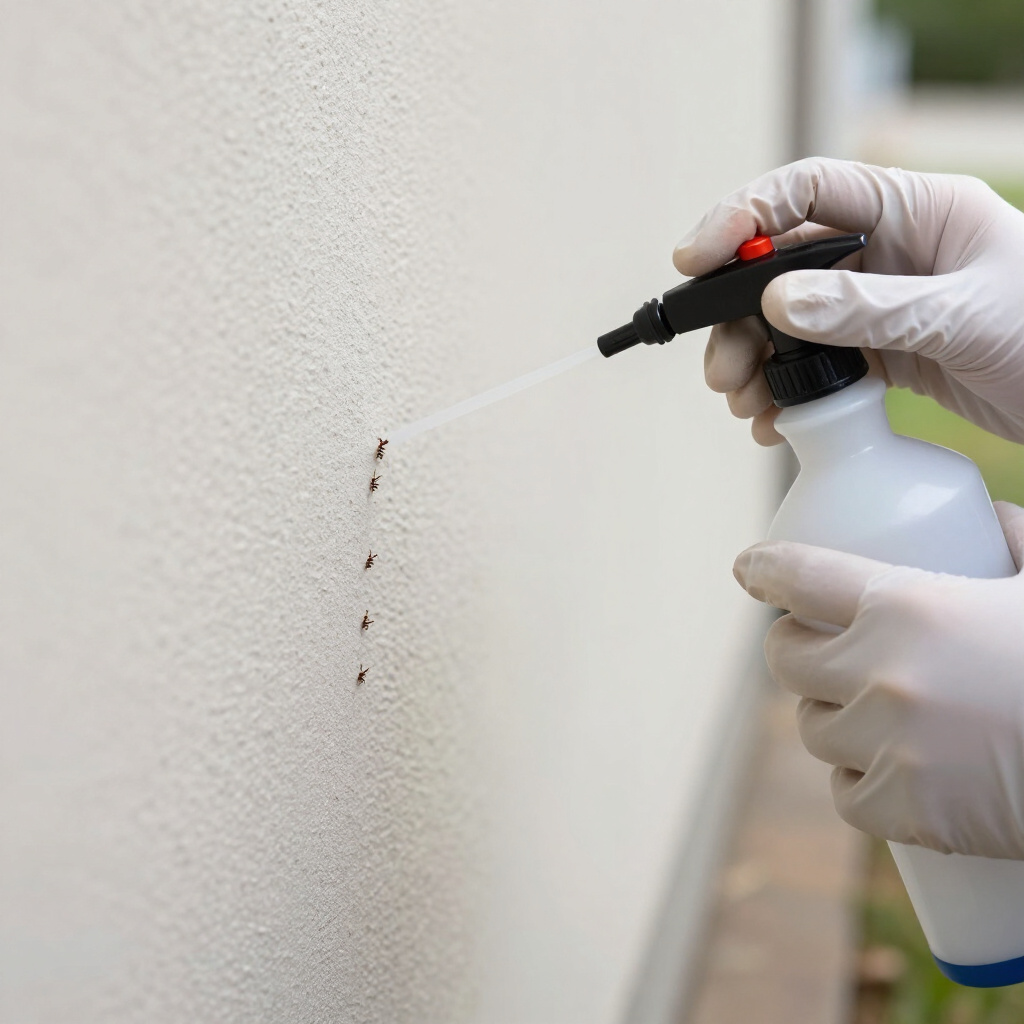
Ants are arguably the most frequent invaders, marching in trails toward sugary spills, pet food bowls, and even damp dish towels. Prevention starts with impeccable cleanliness. Wipe counters immediately after food preparation, store pantry items in airtight glass or plastic containers, and rinse recyclables before tossing them. Outdoors, trim vegetation away from your home's exterior and seal foundation cracks with silicone caulk. If you spot a scout, follow its trail to find and eliminate the entry point—where one ant goes, hundreds may follow.
Cockroaches thrive in warm, humid environments with abundant food sources. These resilient pests can survive on surprisingly little, so eliminating their resources requires diligence. Fix leaky faucets promptly, use dehumidifiers in damp basements, and never leave dirty dishes overnight. Seal gaps around pipes, baseboards, and electrical outlets. Store garbage in lidded containers and take it out regularly. For severe infestations, professional intervention is often necessary since cockroaches reproduce rapidly and hide in inaccessible areas.
Rodents—mice and rats—seek shelter as temperatures drop, squeezing through openings as small as a dime. Their gnawing damages wiring, insulation, and structural materials, while their droppings spread disease. Inspect your home's exterior thoroughly, paying special attention to areas where utilities enter. Seal openings with steel wool and caulk or metal flashing. Inside, eliminate clutter in garages, basements, and attics where rodents nest. Keep firewood stacked at least twenty feet from your home, and never store pet food in accessible areas.
Termites work silently, often causing extensive damage before detection. Subterranean termites require soil contact and moisture, while drywood species infest directly into wood. Prevent moisture accumulation around your foundation by ensuring proper drainage, cleaning gutters regularly, and diverting downspouts away from the house. Remove wood-to-soil contact by replacing damaged siding and keeping mulch at least six inches from your foundation. Schedule annual professional inspections—these are your best defense against catastrophic structural damage.
Spiders generally enter homes pursuing other insects, so their presence often signals a broader pest issue. Reduce populations by addressing their food sources and eliminating harborage sites. Remove webs promptly, declutter storage areas, and seal exterior cracks. Keep outdoor lighting minimal or use yellow sodium vapor bulbs that attract fewer flying insects. While most household spiders are harmless, consistent indoor sightings warrant investigation of underlying infestations.
Bed bugs hitchhike on luggage, furniture, and clothing, making vigilance essential after travel. Inspect hotel rooms before unpacking, focusing on mattress seams and headboard crevices. Upon returning home, launder all clothing on high heat and vacuum suitcases thoroughly before storage. At home, encase mattresses and box springs with protective covers, and reduce bedroom clutter where these pests conceal themselves. Early detection is critical—bed bugs reproduce quickly and resist many over-the-counter treatments.
Seasonal Prevention Strategies
Pest pressures shift throughout the year, and your prevention efforts should adapt accordingly. Spring brings increased ant and termite activity as colonies expand. Summer's heat drives rodents and insects indoors seeking relief and moisture. Fall sees determined entry attempts by overwintering pests like stink bugs and lady beetles. Winter may lull you into complacency, but indoor heating attracts pests year-round.
Develop a seasonal maintenance calendar. In spring, inspect and repair window screens, clean gutters, and schedule termite evaluations. Summer demands vigilant moisture management and outdoor vegetation control. Fall requires thorough exterior sealing—inspect weatherstripping, door sweeps, and foundation vents. Winter is ideal for deep cleaning storage areas and addressing any maintenance deferred during warmer months.
Key Tips for Long-Term Pest Management
Effective pest prevention isn't about dramatic interventions—it's about consistent, layered protection built into your household routines. Here are foundational practices that make the biggest difference:
Seal your perimeter. A comprehensive exterior inspection twice yearly catches deteriorating seals before pests exploit them. Pay special attention to utility penetrations, window frames, and where siding meets your foundation. Weatherstripping and door sweeps wear over time and need replacement.
Manage moisture aggressively. Most pests require water to survive, and many prefer humid environments. Run exhaust fans during showers and cooking, address plumbing leaks within twenty-four hours, and maintain your home's grading to direct water away from the foundation.
Store food properly. Cardboard and thin plastic bags offer no protection against determined pests. Invest in quality sealed containers for pantry items, pet food, and birdseed. Even packaged goods from stores can harbor pantry pests—inspect purchases before storage.
Maintain your landscape. Overhanging branches create highways for rodents and ants. Dense vegetation against your home provides concealment and moisture retention. Maintain clear zones around your foundation and keep mulch layers thin and distant from siding.
Know when to call professionals. DIY prevention handles most situations, but certain scenarios demand expertise: structural pests like termites, extensive rodent infestations, recurring cockroach problems, and any pest causing health concerns. Licensed pest control professionals identify contributing factors you might miss and implement targeted, effective treatments.
Final Thoughts
A pest-free home isn't achieved through a single action but through the accumulation of smart habits and vigilant maintenance. Most common household pests and how to prevent them comes down to three principles: eliminate access, remove resources, and maintain awareness. Start with a thorough home inspection this weekend, addressing the vulnerabilities we've discussed. Implement one new habit weekly until prevention becomes second nature. Your home represents significant investment and personal sanctuary—protecting it from pests preserves both its value and your peace of mind. When prevention isn't enough, remember that professional guidance is always available to restore and maintain your home's comfort.