
When ants march across your kitchen counter or aphids cluster on your tomato plants, reaching for a chemical spray feels like the fastest fix. But many homeowners are discovering that natural pest control methods can be just as effective—without the harsh residues, safety concerns, or environmental impact. The key is knowing which approaches actually deliver results and how to apply them strategically. Whether you're protecting your garden, your pantry, or your peace of mind, these proven techniques will help you manage pests the smart way.
Natural Pest Control Methods That Actually Work in Your Home
The most successful natural pest control starts with understanding what attracts pests in the first place. Food sources, moisture, and entry points are the three main invitations you can eliminate. Begin by storing dry goods in airtight glass or metal containers—plastic can be chewed through by determined rodents and pantry moths. Clean under appliances regularly where crumbs accumulate, and fix leaky faucets that create water sources for cockroaches and silverfish.
For active infestations, diatomaceous earth deserves a spot in every natural pest toolkit. This fine powder, made from fossilized algae, damages the exoskeletons of crawling insects like ants, fleas, and bed bugs, causing them to dehydrate. Sprinkle food-grade diatomaceous earth along baseboards, behind appliances, and in garden soil. It remains effective as long as it stays dry, making it ideal for ongoing prevention.
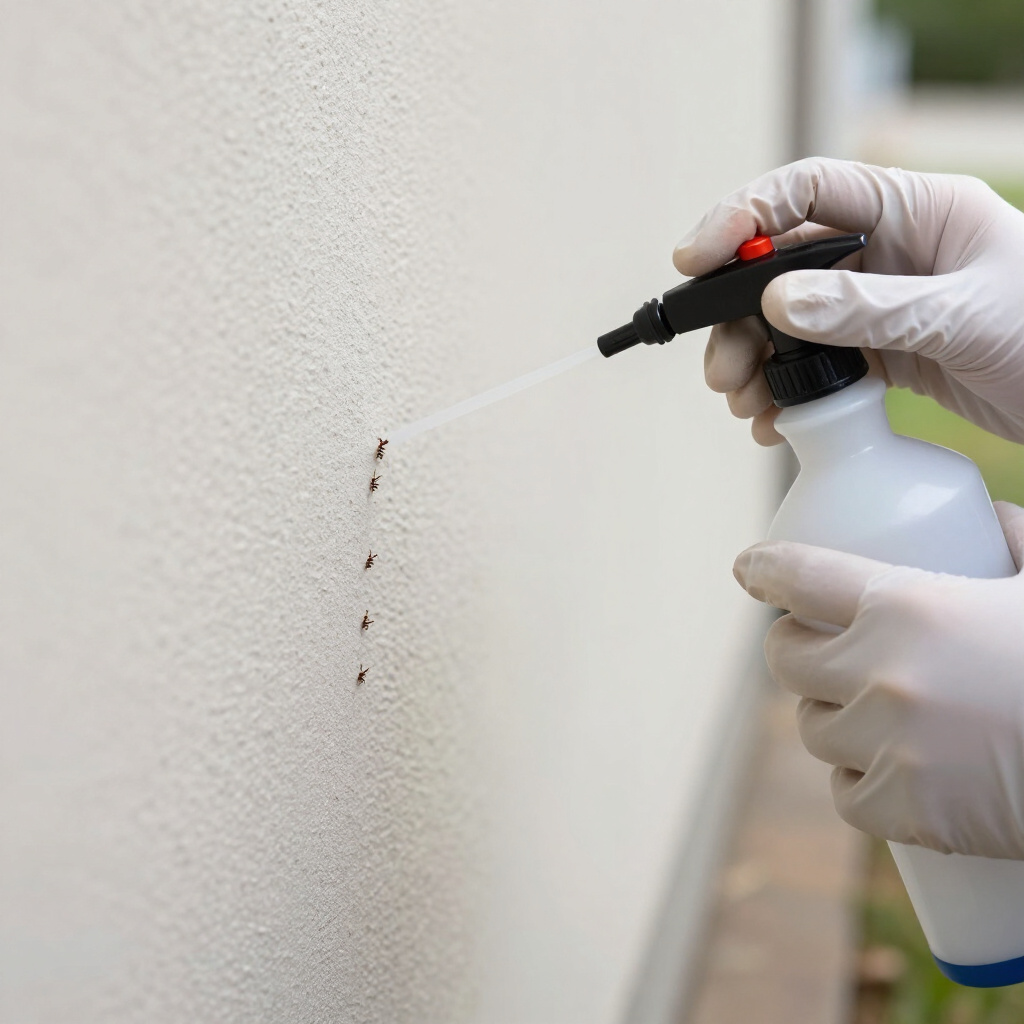
Essential oils offer another powerful option when used correctly. Peppermint oil repels spiders and mice—soak cotton balls and place them in corners, closets, and garage entry points. Tea tree and eucalyptus oils deter dust mites and flies. For ants, a spray solution of equal parts white vinegar and water disrupts their scent trails and masks the pheromone paths they follow. Reapply these treatments weekly, as natural solutions break down faster than synthetic chemicals.
Natural Pest Control Methods That Actually Work in the Garden
Your outdoor spaces present different challenges, but the same principles apply: healthy plants resist pests better than stressed ones. Start with companion planting, a time-tested strategy that pairs crops with protective neighbors. Marigolds release compounds from their roots that repel root-knot nematodes and whiteflies. Nasturtiums act as trap crops, luring aphids away from your vegetables. Basil planted near tomatoes improves their flavor while confusing hornworms and flies with its strong aroma.
Beneficial insects are your most valuable allies in natural garden pest control. Ladybugs consume up to 50 aphids daily, while lacewing larvae devour caterpillars, mites, and insect eggs. Parasitic wasps target tomato hornworms and squash bugs without bothering humans. Attract these helpers by planting pollen and nectar sources like dill, fennel, yarrow, and cosmos. Avoid broad-spectrum treatments that harm both pest and predator indiscriminately.
Physical barriers complete your garden defense system. Row covers of lightweight fabric protect brassicas from cabbage moths and squash from vine borers while allowing light and water through. Copper tape around raised beds creates a mild electrical reaction that repels slugs and snails without chemicals. Handpicking larger pests like Japanese beetles into soapy water remains one of the most effective controls for small gardens, especially when done consistently in early morning when insects are sluggish.
Key Tips for Making Natural Methods Succeed
Natural pest control requires more patience and precision than chemical alternatives, but the rewards justify the effort. Timing matters enormously—apply treatments at dawn or dusk when beneficial insects are less active and target pests are feeding. Monitor problem areas daily during peak seasons, as catching infestations early prevents the exponential growth that overwhelms gentle interventions.
Combine multiple tactics rather than relying on single solutions. A kitchen ant problem responds best to eliminating food sources, sealing entry points with caulk, deploying diatomaceous earth barriers, and using vinegar sprays on trails simultaneously. In gardens, rotate your companion plants annually and vary your beneficial insect plantings to support diverse predator populations throughout the growing season.
Finally, accept that perfect elimination is neither possible nor desirable. A healthy ecosystem includes some pest presence—it sustains the beneficial predators that keep your garden in balance. Natural pest control aims for manageable populations, not sterile environments. When you spot a few aphids among thriving ladybugs, that's success, not failure.
Final Thoughts
Natural pest control methods that actually work combine prevention, patience, and persistence. By removing what attracts pests, deploying targeted treatments like diatomaceous earth and essential oils, and recruiting nature's own pest managers in your garden, you protect your home and landscape without compromising safety. Start with one or two strategies that fit your situation, observe the results, and build your approach from there. The most effective pest management is always the kind you can sustain—and natural methods reward that commitment with lasting, responsible results.