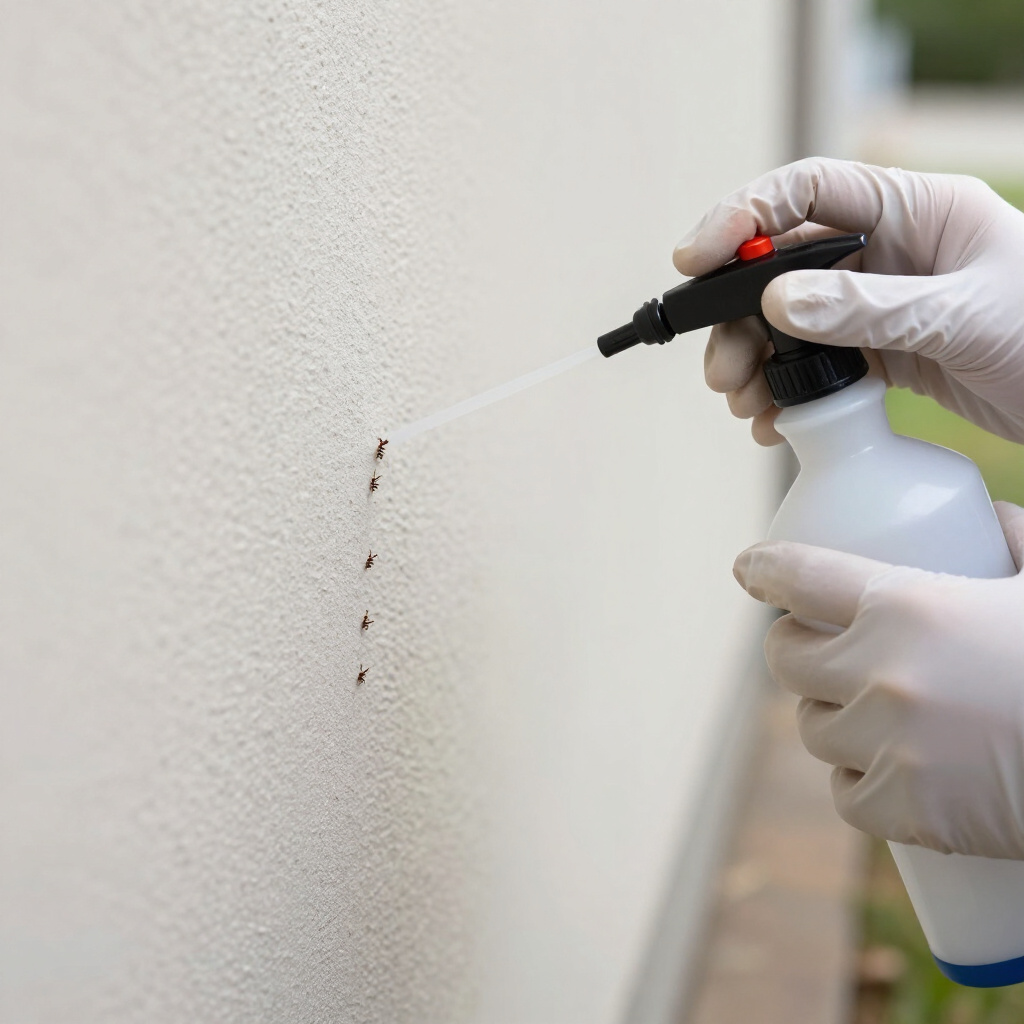


Pests don't take vacations, and neither should your home protection plan. As the seasons shift, so do the critters trying to make your house their home. A proactive, seasonal pest control checklist keeps you one step ahead of infestations—saving you stress, money, and the discomfort of uninvited guests scurrying through your kitchen at midnight. Whether you're a new homeowner or have been battling backyard invaders for years, this guide will walk you through exactly what to do and when to do it.
Seasonal Pest Control Checklist: Spring Awakening
Spring is when pests wake up hungry and ready to multiply. As temperatures rise, ants begin their march indoors, termites swarm to establish new colonies, and rodents that nested in your walls all winter become more active and visible.
Start your seasonal pest control checklist with a thorough exterior inspection. Walk around your foundation and seal any cracks wider than a quarter-inch—mice can squeeze through spaces as small as a dime. Check window screens for tears and replace weatherstripping that's cracked or peeling. Clear winter debris from gutters and downspouts, since standing water breeds mosquitoes and damp wood attracts carpenter ants.
Inside, focus on moisture control. Fix leaky faucets, ensure bathroom vents work properly, and use a dehumidifier in basements or crawl spaces. Store pantry items in airtight containers and clean up crumbs immediately. If you spotted swarmers (winged termites) or mud tubes along your foundation, call a professional immediately—spring is prime time for termite damage to escalate unnoticed.
Summer Defense and Outdoor Management
Summer brings peak pest pressure. Mosquitoes, wasps, ticks, and fleas thrive in the heat, while cockroaches and ants continue their indoor raids seeking water and cooler temperatures.
Your seasonal pest control checklist for summer should prioritize yard management. Keep grass cut to three inches or shorter, and trim shrubs and tree branches at least two feet from your roof and walls—this eliminates bridges for ants, rodents, and squirrels. Eliminate all standing water: empty birdbaths weekly, refresh pet water dishes daily, and ensure outdoor toys or equipment don't collect rainwater.
Consider perimeter treatments around your home's foundation, focusing on doorways, windows, and utility entry points. Install yellow "bug" lights on porches and patios; they're less attractive to flying insects than standard white bulbs. If you're grilling or dining outdoors, cover food promptly and keep trash bins sealed with tight-fitting lids positioned away from entertaining areas.
Inspect pets regularly for fleas and ticks, and maintain their veterinarian-prescribed preventatives. A single flea on your dog can become hundreds in your carpet within weeks.
Fall Preparation: The Great Invasion
Fall is arguably the most critical season for pest prevention. As temperatures drop, rodents, spiders, boxelder bugs, stink bugs, and cluster flies desperately seek warm shelter—your home.
Begin with aggressive exclusion work. Install door sweeps on all exterior doors, including the garage. Caulk around utility pipes, cable entries, and dryer vents. Cover attic vents with quarter-inch hardware cloth to block rodents while maintaining airflow. Inspect your roofline for damaged fascia, loose shingles, or gaps where squirrels might enter.
Inside, declutter storage areas where pests could nest. Move firewood at least twenty feet from your house and elevate it off the ground. Clean out garage corners, basement shelves, and attic spaces. As you unpack winter clothing and decorations, inspect boxes for signs of rodent chewing or insect activity before bringing them into living areas.
This is also prime time for professional preventive treatment. A licensed technician can apply targeted barriers before pests establish indoor harborage, which is far easier than evicting them once they've settled in for winter.
Winter Monitoring and Maintenance
Winter doesn't mean pest problems disappear—it means they've gone deeper. Rodents remain active indoors, silverfish thrive in humid basements, and bed bugs can spread rapidly during holiday travel season.
Continue your seasonal pest control checklist with vigilant monitoring. Check attic and basement traps regularly; empty and reset them as needed. Listen for scratching or scurrying sounds in walls, especially at dawn and dusk. Inspect stored food in pantries and garages for webbing, droppings, or chew marks indicating Indian meal moths or rodents.
Holiday precautions matter too. Inspect Christmas trees and greenery for aphids, spiders, and praying mantis egg cases before bringing them indoors. When returning from travel, launder all clothing on hot cycles and inspect luggage seams for bed bugs before storing anything in bedrooms.
Maintain your home's dryness. Winter condensation creates ideal conditions for springtails, silverfish, and mold-loving pests. Run dehumidifiers consistently and ensure bathroom exhaust fans vent properly outdoors rather than into attics.
Key Tips for Year-Round Success
Certain practices deserve attention regardless of season. Store all food, including pet kibble and birdseed, in metal or thick plastic containers with tight lids. Keep kitchen sinks clean and dry overnight—one night of dirty dishes can sustain a cockroach population for weeks. Maintain a regular trash removal schedule, and rinse recyclables before storing them.
Document everything. Keep a simple log of when you notice pest activity, what you observe, and what treatments you've applied. This record becomes invaluable if you need professional help, allowing technicians to identify patterns and target interventions precisely.
Know when to call experts. DIY methods work for minor, early-stage problems, but certain situations demand professional intervention: termite activity, recurring rodent issues despite your efforts, bed bugs, or any pest affecting health and safety. Reputable companies offer inspections and can design maintenance programs tailored to your property's specific vulnerabilities.
Final Thoughts
A seasonal pest control checklist transforms overwhelming pest management into manageable, scheduled tasks. By aligning your home maintenance with nature's rhythms, you prevent small vulnerabilities from becoming expensive infestations. Spring's vigilance, summer's yard discipline, fall's defensive sealing, and winter's careful monitoring create a comprehensive shield around your property.
Remember that consistency beats intensity. A few hours of prevention each season prevents the disruption, expense, and discomfort of reactive pest control. Your home should remain your sanctuary—comfortable, safe, and entirely yours. With this checklist in hand, you're well-equipped to keep it that way, no matter what critters the changing seasons send your way.