
Termites are called "silent destroyers" for good reason. These pests can chew through wood, flooring, and even wallpaper undetected, often causing thousands of dollars in damage before homeowners realize there's a problem. Knowing the early signs you may have termites can mean the difference between a simple treatment and extensive structural repairs. Whether you're a new homeowner or have lived in your house for decades, learning to spot the warning signs is one of the smartest investments you can make in protecting your property.
Common Signs You May Have Termites in Your Home
One of the first and most noticeable signs you may have termites is the presence of mud tubes. Subterranean termites, the most common type in the United States, build these pencil-thin tunnels from soil, wood particles, and their own saliva to travel between their underground colony and food sources. You'll typically find mud tubes along foundation walls, crawl spaces, or exterior surfaces. Breaking open an active tube will reveal creamy-white worker termites inside. Even if the tube appears empty, don't assume you're in the clear—termites may have simply moved to another location.
Another telltale indicator is damaged or hollow-sounding wood. Termites consume wood from the inside out, leaving a thin veneer of timber or paint intact. Tap on baseboards, window sills, door frames, and wooden floors with the handle of a screwdriver. If you hear a hollow sound or the wood feels soft and gives way easily, termite damage may be present. In advanced cases, you might notice blistering or darkening of wooden surfaces, which mimics water damage but is actually caused by termite tunnels just beneath the surface.
Discarded wings near windowsills, doors, or spider webs are another strong sign of termite activity. Reproductive termites, known as swarmers, emerge in spring to establish new colonies. After their brief flight, they shed their wings, often in piles that resemble fish scales. Finding these wings indoors almost always means a colony is nearby—either inside your home or very close to the foundation. Many homeowners mistake termite swarmers for flying ants, but termites have straight antennae, equal-length wings, and a broad waist, while ants have bent antennae, unequal wings, and a narrow waist.
Subtle and Often Overlooked Warning Signs
Beyond the obvious indicators, several subtle signs you may have termites deserve your attention. Frass, or termite droppings, resembles small piles of sawdust or coffee grounds and often accumulates beneath kick-out holes that drywood termites create in wood surfaces. Unlike subterranean termites, drywood species don't require contact with soil and can infest attic framing, furniture, and hardwood floors. Finding frass on windowsills, beneath wooden beams, or in unusual corners of your home warrants immediate professional inspection.
Sticking doors and windows that suddenly become difficult to open or close may indicate more than humidity-related swelling. As termites tunnel through door and window frames, they introduce moisture into the wood, causing it to warp. Similarly, sagging floors, loose tiles, or bubbling paint can all point to hidden termite damage compromising the structural integrity beneath visible surfaces. These changes often develop gradually, making them easy to dismiss until the damage becomes severe.
Perhaps the most unsettling sign is actually seeing live termites. Worker termites are small, pale, and avoid light, so encountering them during home repairs, renovations, or when moving stored items in basements and crawl spaces is a definite red flag. If you break into damaged wood and see numerous insects scurrying away from the light, you've likely uncovered an active infestation that requires prompt professional intervention.
When to Call a Professional and What to Expect
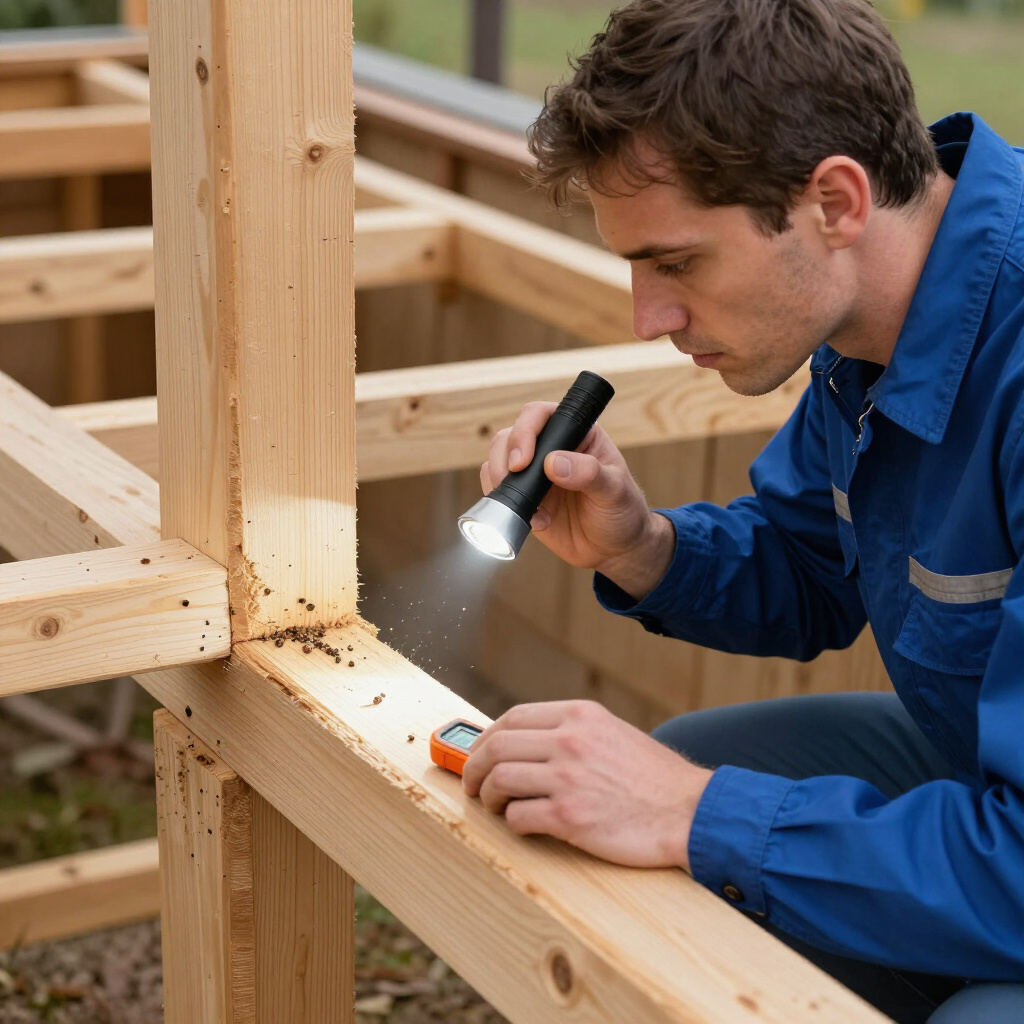
While vigilant homeowners can spot many warning signs, confirming and treating a termite infestation requires professional expertise. Pest control specialists use moisture meters, thermal imaging cameras, and acoustic detection devices to locate colonies hidden within walls and foundations. They can also distinguish between active and old damage, which is crucial for determining appropriate treatment.
If you suspect termites based on any of the signs described above, schedule an inspection promptly. Most reputable companies offer free or low-cost evaluations. During the inspection, the technician will examine your foundation, crawl spaces, attic, and accessible wood structures, then provide a detailed report with treatment recommendations. Depending on the species and extent of infestation, options may include liquid soil treatments, baiting systems, or fumigation for drywood termites.
Even if no active infestation is found, professionals can identify conditions that make your home vulnerable—such as wood-to-soil contact, excessive moisture, or untreated lumber—and recommend preventive measures. Annual inspections are particularly valuable in termite-prone regions and for homes with previous infestations.
Final Thoughts
Termites rarely announce their presence dramatically. Instead, they work quietly and persistently, exploiting the hidden spaces of your home. By familiarizing yourself with the signs you may have termites—from mud tubes and discarded wings to hollow wood and unexplained structural changes—you position yourself to catch problems early. Remember that termite damage is not typically covered by homeowners insurance, making prevention and early detection financially essential as well as structurally prudent. When in doubt, trust your observations and consult a licensed pest professional. The peace of mind that comes from protecting your home's foundation is well worth the small investment of time and attention.