You've seen the signs. A scattering of droppings in the pantry. Winged ants clustered around the porch light. Maybe that telltale scratching in the walls at 2 a.m. The question isn't whether you have pests—it's whether this is a battle you can win alone, or if it's time to bring in reinforcements. Knowing when to call a pest control professional can save you money, protect your health, and spare you months of frustration. Here's how to tell the difference between a minor nuisance and a problem that demands expert intervention.
When to Call a Pest Control Professional: The Warning Signs
Certain situations make professional help not just advisable, but essential. If you're dealing with any of the following, it's time to pick up the phone.
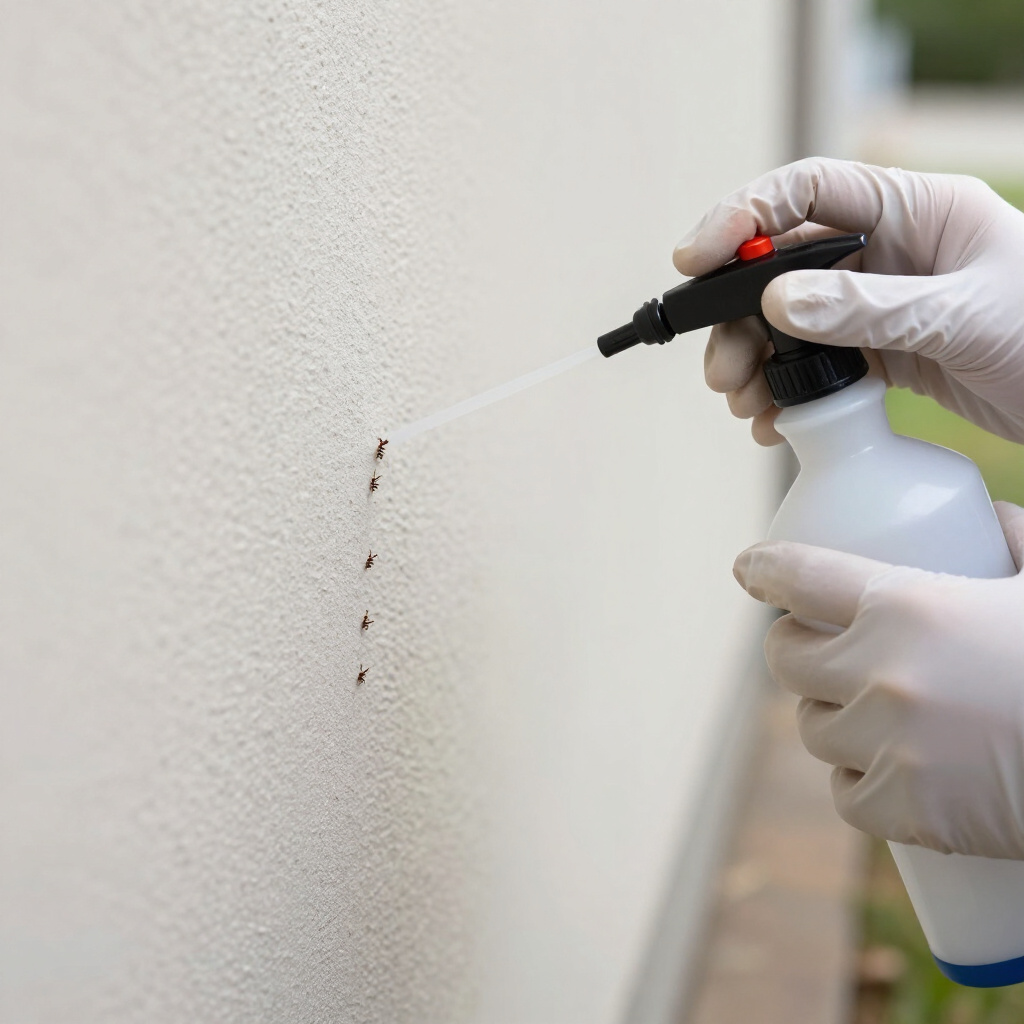
Recurring infestations despite DIY efforts. You've sprayed, trapped, and sealed every crack you can find—yet the ants march back within days, or the mice find new routes into your kitchen. This pattern signals that you're treating symptoms, not the source. Professionals identify how pests are entering, where they're nesting, and why your home appeals to them in the first place.
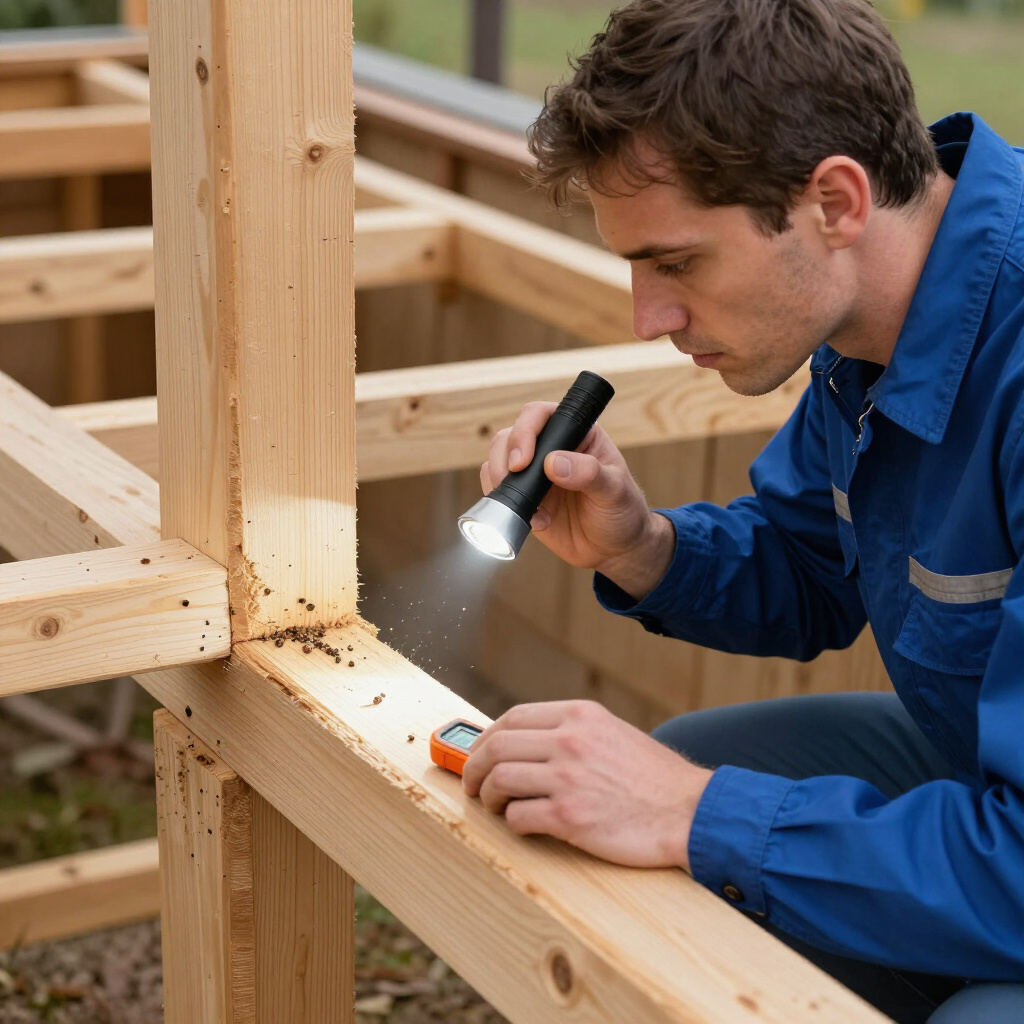
Structural damage or hollow-sounding wood. Sagging floors, crumbling drywall, or wood that sounds papery when tapped often mean termites or carpenter ants are hard at work. By the time damage is visible, colonies may have been active for years. These pests require specialized treatment systems—liquid barriers, baiting programs, or fumigation—that simply aren't available to homeowners.
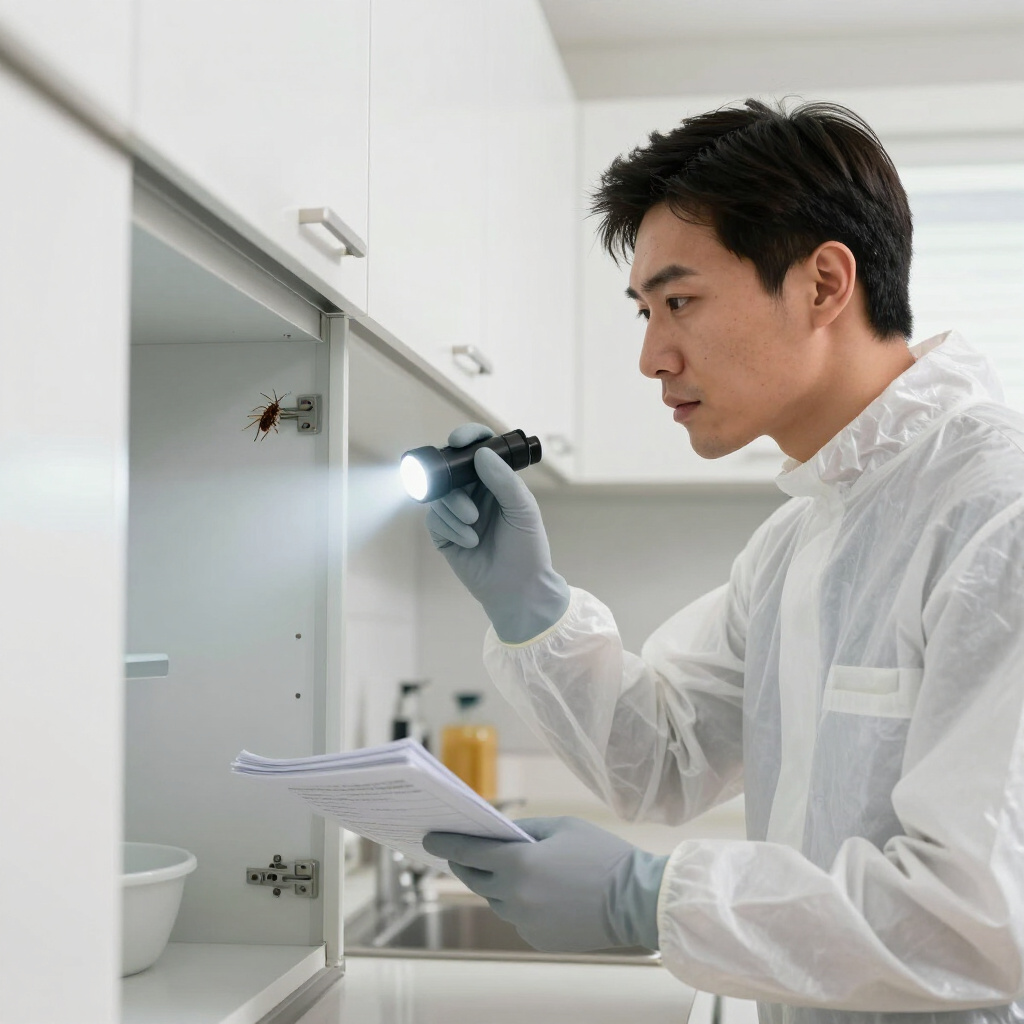
Pests posing health risks. Rodents spread hantavirus and salmonella through droppings and urine. Cockroaches trigger asthma attacks and carry pathogens on their bodies. Bed bugs cause allergic reactions and severe sleep disruption. Stinging insects like wasps and hornets present immediate danger to anyone with allergies. When health is on the line, professional-grade products and protective protocols matter.
Large or established colonies. A few stray ants near the sink? Manageable. A network of trails crisscrossing your foundation, with satellite colonies in multiple walls? That's a supercolony requiring targeted intervention. The same holds true for rodents—seeing one mouse suggests several dozen are hiding, given their rapid reproduction.
Protected, endangered, or dangerous wildlife. Bats in your attic, raccoons in your chimney, or snakes in your crawlspace demand professional handling. Many species are legally protected, and improper removal can result in fines or harm to the animals. More critically, cornered wildlife becomes defensive and dangerous.
Situations Where DIY Makes Sense
Not every pest sighting warrants professional service. Isolated incidents often respond well to homeowner action.
A single spider in the bathtub, a wasp nest smaller than a golf ball on an easily accessible eave, or a handful of fruit flies around overripe bananas—these are typically straightforward fixes. Remove the attractant, improve sanitation, apply a targeted retail product, and monitor. Preventative measures like sealing gaps, repairing screens, and managing moisture solve many problems before they start.
However, be honest about your limits. If you have mobility constraints, chemical sensitivities, or simply lack the time for thorough treatment, professional service may still be the practical choice even for smaller issues.
Key Tips for Choosing and Working With a Professional
Once you've decided to hire help, maximize your investment with these strategies.
Verify credentials and licensing. Reputable companies carry state-required licenses and maintain liability insurance. Technicians should be able to explain their training and certification. Don't hesitate to ask—the legitimate operator welcomes scrutiny.
Request a detailed inspection and written plan. Quality professionals don't quote treatment over the phone without seeing your situation. Expect a thorough assessment identifying pest species, entry points, conducive conditions, and a customized treatment strategy with clear pricing.
Understand the treatment approach. Ask whether they're using Integrated Pest Management (IPM) principles—combining biological knowledge, habitat modification, and targeted chemical applications rather than blanket spraying. This approach is more effective long-term and safer for families and pets.
Clarify follow-up and guarantees. Effective pest control often requires monitoring and retreatment. Understand what's included in your service agreement, how quickly they'll return if problems persist, and what your responsibilities are regarding preparation and ongoing maintenance.
Prepare your home properly. Follow pre-treatment instructions carefully. This might include clearing cabinets, laundering bedding, or relocating pets. Your cooperation directly impacts treatment success.
Final Thoughts
There's no shame in calling for backup. Pests are tenacious, resourceful, and often invisible until their numbers explode. The key is responding decisively when warning signs appear rather than hoping the problem resolves itself.
When to call a pest control professional comes down to risk assessment: the potential for property damage, health consequences, and the likelihood that DIY methods will fall short. Trust your observations, respect your limits, and remember that early professional intervention almost always costs less than waiting until damage demands expensive repairs. Your home deserves protection, and sometimes that means bringing in someone with the training, tools, and experience to deliver it.