
Common Pest Control Problems in Corvallis
Corvallis sits in the heart of the Willamette Valley, where the mild, wet winters and warm, dry summers create ideal conditions for pest activity year-round. The combination of agricultural surroundings, riparian areas along the Marys and Willamette Rivers, and established neighborhoods with mature trees means residents face distinct challenges that vary with the seasons.
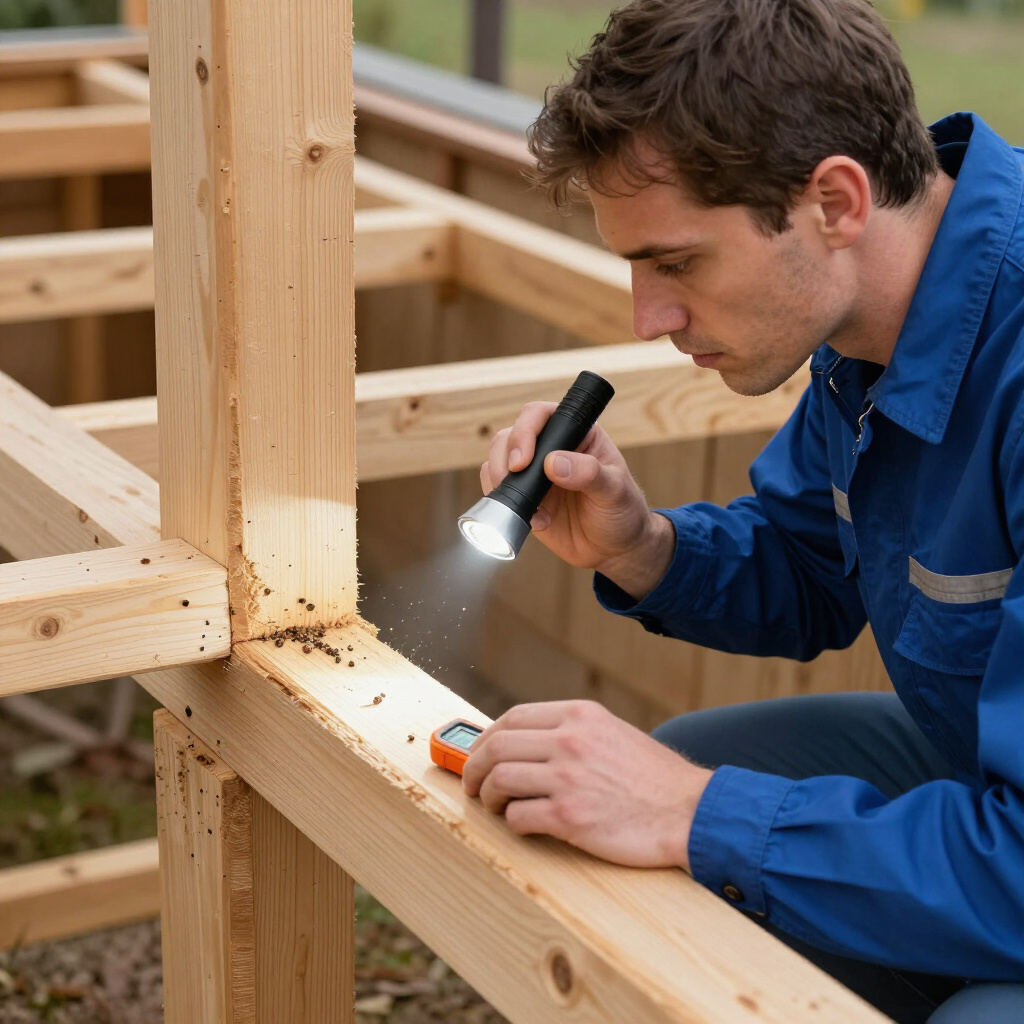
Moisture-loving pests thrive during Benton County's extended rainy season. Carpenter ants tunnel through damp wood in older homes near the Oregon State University campus and historic College Hill district. Odorous house ants invade kitchens in search of food, forming trails that seem impossible to break. Subterranean termites remain active in the region's moist soil, silently damaging structural elements before homeowners notice.
Spring and summer bring different concerns. Yellowjackets and paper wasps build nests in eaves, attics, and dense vegetation throughout Corvallis's leafy neighborhoods. The area's abundant fruit trees and gardens attract fruit flies, spotted wing drosophila, and rodents seeking easy meals. Spider populations surge in basements and crawl spaces, with hobo spiders and giant house spiders causing particular anxiety for families.
Proximity to open farmland and the McDonald-Dunn Research Forest introduces field mice, voles, and gophers into residential areas. These pests damage lawns, gardens, and occasionally access structures as temperatures drop. Bed bug introductions have increased with student housing turnover and travel patterns associated with the university community.
How We Help Corvallis Homeowners
Effective pest management in Corvallis requires understanding local ecology, not just applying generic treatments. Our technicians assess each property's specific conditions: moisture levels, structural vulnerabilities, landscaping features, and nearby environmental factors that attract or sustain pest populations.
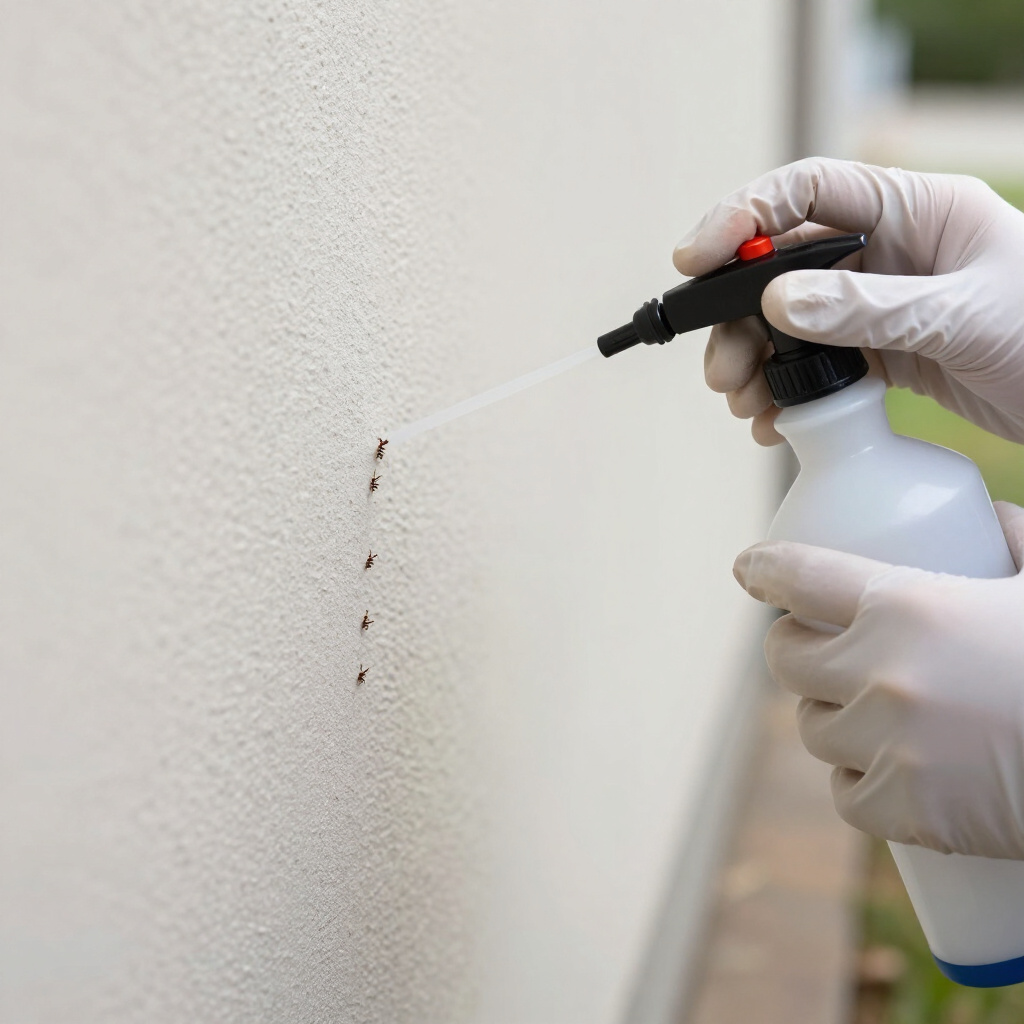
We prioritize targeted, evidence-based approaches that address root causes. For ant infestations, this means locating and eliminating nests rather than simply spraying visible foragers. Rodent control involves sealing entry points as small as a quarter-inch, removing attractants, and strategically placing monitoring stations. Wasp and hornet removal is performed safely, even on multi-story homes common in the Witham Hill and Timberhill areas.
Our methods account for Corvallis's environmental values. We minimize unnecessary chemical applications, favoring integrated pest management techniques that protect beneficial insects, pollinators, and the watersheds feeding into local waterways. Treatments are selected and applied with consideration for families, pets, and the area's sensitive ecological balance.
Pest Control Services Available in Corvallis
- Ant Control: Carpenter ant elimination, odorous house ant treatment, pavement ant management, and prevention programs for persistent species
- Termite Services: Inspections, localized treatments, and monitoring systems for subterranean termite protection
- Rodent Control: Mouse and rat exclusion, trapping, and ongoing management for residential and multi-unit properties
- Wasp & Bee Removal: Safe nest removal for yellowjackets, paper wasps, hornets, and honey bee colony relocation when possible
- Spider Management: Interior and exterior treatments with focus on hobo spiders, black widows, and nuisance species
- Bed Bug Treatment: Thorough inspections and heat or chemical remediation for infestations in homes, apartments, and rentals
- Seasonal Pest Programs: Quarterly or bi-monthly maintenance plans addressing Corvallis's seasonal pest cycles
- Commercial Services: Customized programs for restaurants, retail, healthcare, and OSU-area businesses
Pest Control Pricing in the Corvallis Area
Pest control costs in Corvallis depend on several factors: the pest type, infestation severity, property size, and whether treatment is a one-time service or ongoing maintenance. Understanding typical price ranges helps homeowners budget appropriately and evaluate quotes.
One-time treatments for common ants or spiders generally range from $150 to $350 for standard residential properties. More complex issues like carpenter ant colonies or established rodent problems typically require multiple visits, with initial services between $300 and $600. Bed bug treatments represent a higher investment due to labor intensity, often $800 to $2,500 depending on home size and treatment method.
Termite protection involves initial inspections, typically $75 to $150, with treatment costs varying significantly based on damage extent and structure type. Preventative monitoring systems offer ongoing protection with annual fees.
Recurring service plans provide the best long-term value for Corvallis properties. Quarterly maintenance programs, which address the area's seasonal pest pressures, typically run $40 to $80 monthly. These plans include scheduled inspections, preventive exterior treatments, and priority response for covered pest issues between visits. Many homeowners in established neighborhoods like South Corvallis and the Highlands find this approach prevents the larger costs of uncontrolled infestations.
Frequently Asked Questions
What pests are most active during Corvallis winters?
During Benton County's wet season, carpenter ants, odorous house ants, spiders, and rodents become particularly active as they seek shelter and moisture. Subterranean termites also remain active in the region's mild winter soil temperatures, making year-round vigilance important.
How quickly can you respond to pest issues near Oregon State University?
We maintain service routes throughout Corvallis, including the OSU area, College Hill, and downtown neighborhoods. Most urgent pest situations receive same-day or next-day response. Scheduling is flexible to accommodate student housing turnover and rental property timelines.
Are your treatments safe for gardens and pollinators?
Yes. We use targeted application methods that minimize impact on beneficial insects and pollinators critical to Corvallis's garden culture and surrounding agriculture. Exterior treatments focus on pest harborages and entry points rather than broadcasting chemicals across flowering plants.