

How to Choose a Pest Control Professional in Forest Grove
Finding the right pest control provider in Forest Grove means looking beyond flashy ads and focusing on what actually matters for Washington County properties. The Pacific Northwest climate creates unique pest pressures here—moisture-loving carpenter ants, prolific rodents, and seasonal wasp activity all demand local expertise.
Start with licensing verification. Oregon requires all commercial pesticide applicators to hold a license through the Oregon Department of Agriculture. Ask for proof, and confirm the company carries both general liability and workers' compensation insurance. This protects you if damage occurs during treatment or if a technician is injured on your property.
Experience with Washington County's specific pest patterns matters enormously. Forest Grove's location at the edge of the Tualatin Valley, with its mix of older homes, agricultural adjacency, and newer developments, creates distinct pest corridors. A technician who understands how moisture accumulates in basements near Gales Creek versus the drier conditions on the city's eastern edge will craft more effective treatment plans.
Request a written inspection report before committing to service. Reputable providers document active infestations, conducive conditions, and a customized approach—not a one-size-fits-all spray schedule. Ask about their integrated pest management philosophy: do they emphasize exclusion and habitat modification, or rely primarily on chemical applications?
Finally, check reviews from Forest Grove specifically, not just the Portland metro broadly. Response times matter when you're dealing with an active infestation, and a company with technicians based in or near Washington County can typically arrive faster than one dispatching from across the metro area.
What to Expect from Pest Control Services in Forest Grove
Your first service typically begins with a comprehensive inspection lasting 45 minutes to an hour. The technician examines your foundation perimeter, crawl space if accessible, attic, and interior living spaces. In Forest Grove's older neighborhoods near downtown, expect particular attention to wood-destroying organisms—moisture and mature landscaping create ideal conditions for carpenter ants and occasional termite activity.
Following inspection, you'll receive a detailed findings report with photographic documentation. The technician should explain pest identification, contributing factors specific to your property, and treatment options ranked by effectiveness and environmental impact. This is your opportunity to ask about product selection, application methods, and any preparation steps required on your end.
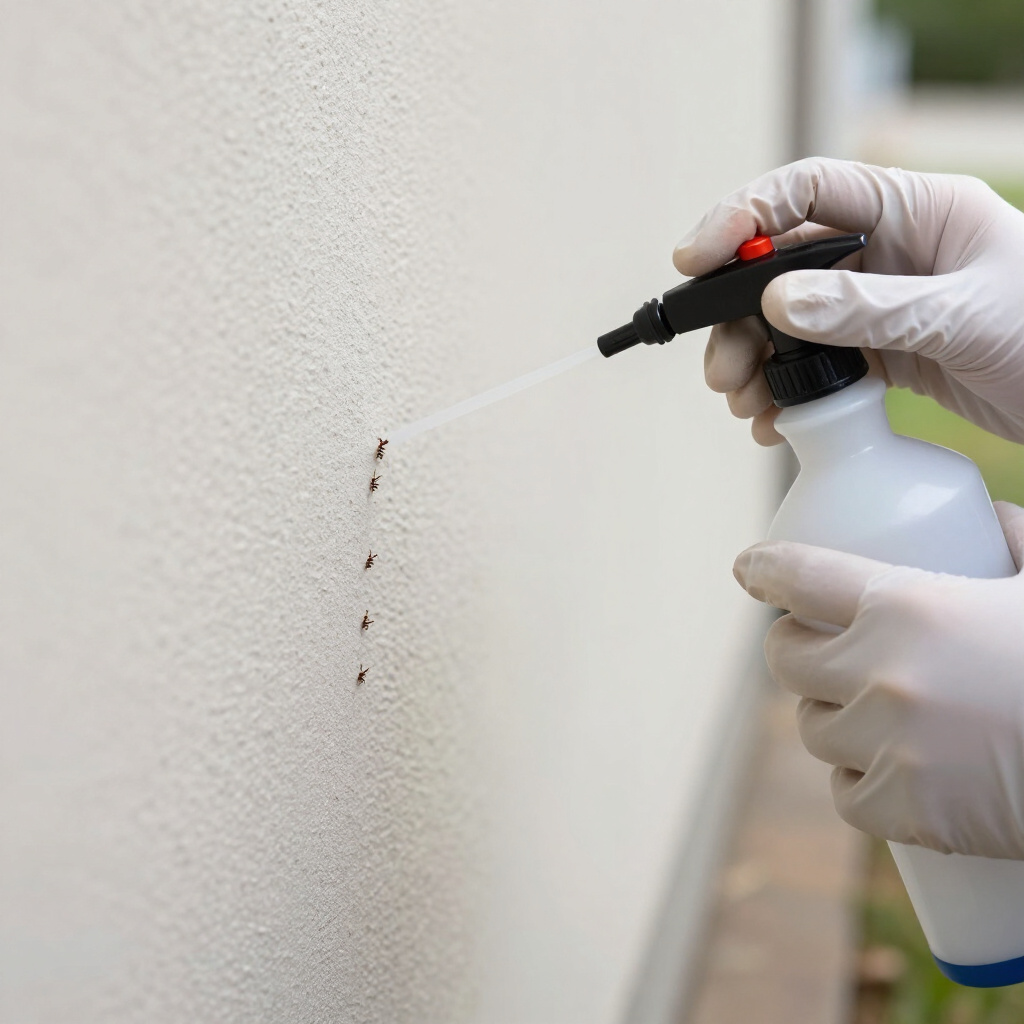
Initial treatments vary by pest type but generally combine targeted applications with mechanical controls. For rodents, this means sealing entry points with rodent-proof materials alongside strategic trap placement. For ants, perimeter barriers plus interior baiting at trails and nest locations. Wasp and hornet nest removal requires specialized equipment and timing considerations.
Most Forest Grove residents benefit from ongoing protection plans given our year-round pest pressures. Quarterly service visits maintain protective barriers, catch emerging issues early, and adjust strategies seasonally—heavier exterior focus during spring breeding periods, interior monitoring as pests seek winter shelter.
Between scheduled visits, reputable providers offer callback guarantees at no additional charge if pests return. Clarify this policy upfront, including any time limitations or exclusions.
Available Pest Control Services in Forest Grove
Forest Grove homeowners and businesses can access comprehensive pest management solutions tailored to local conditions:
- Residential pest control — Ongoing protection plans and one-time treatments for single-family homes, townhouses, and apartments throughout Washington County
- Commercial pest management — Customized programs for restaurants, retail, healthcare facilities, and warehouses with documentation for health inspections
- Termite and wood-destroying insect control — Inspections, treatments, and prevention for carpenter ants, moisture ants, and termites common to our region
- Rodent control and exclusion — Complete sealing of entry points, population reduction, and ongoing monitoring for mice and rats
- Wasp, hornet, and bee removal — Safe nest elimination and relocation when appropriate, particularly important during late summer peak activity
- Spider and occasional invader control — Management of hobo spiders, giant house spiders, and nuisance pests like boxelder bugs and millipedes
- Bed bug treatment — Thorough inspections and heat or chemical remediation protocols
- Crawl space and moisture remediation — Addressing the root conditions that attract pests to Forest Grove's many homes with ventilated crawl spaces
Frequently Asked Questions
How quickly can a pest control company respond in Forest Grove?
Most established providers serving Washington County can schedule inspections within 24-48 hours for non-emergencies. Active infestations involving stinging insects, severe rodent issues, or health-threatening conditions often receive same-day or next-day priority response. Companies with technicians stationed in Hillsboro or western Washington County typically offer faster arrival times than those dispatching from Portland proper.
Are pest control treatments safe for pets and children?
Modern pest control prioritizes targeted applications that minimize risk to families and pets. Your technician should explain any specific precautions, such as keeping pets away from treated areas until products dry—typically 1-2 hours for liquid applications. Many providers now emphasize baiting and exclusion over broad spraying, further reducing exposure. Always inform your technician about household members with respiratory sensitivities, aquariums, or beekeeping activities.
Why do I keep seeing ants even after treatment?
Ant behavior explains this common frustration. Baits work slowly by design, allowing foraging workers to carry insecticide back to the colony before dying. Seeing increased activity for 3-7 days after bait placement often indicates the treatment is working. However, persistent trails after two weeks may signal multiple colonies, satellite nests in wall voids, or an untreated exterior entry point. Follow-up inspections help identify which scenario applies and adjust the strategy accordingly.