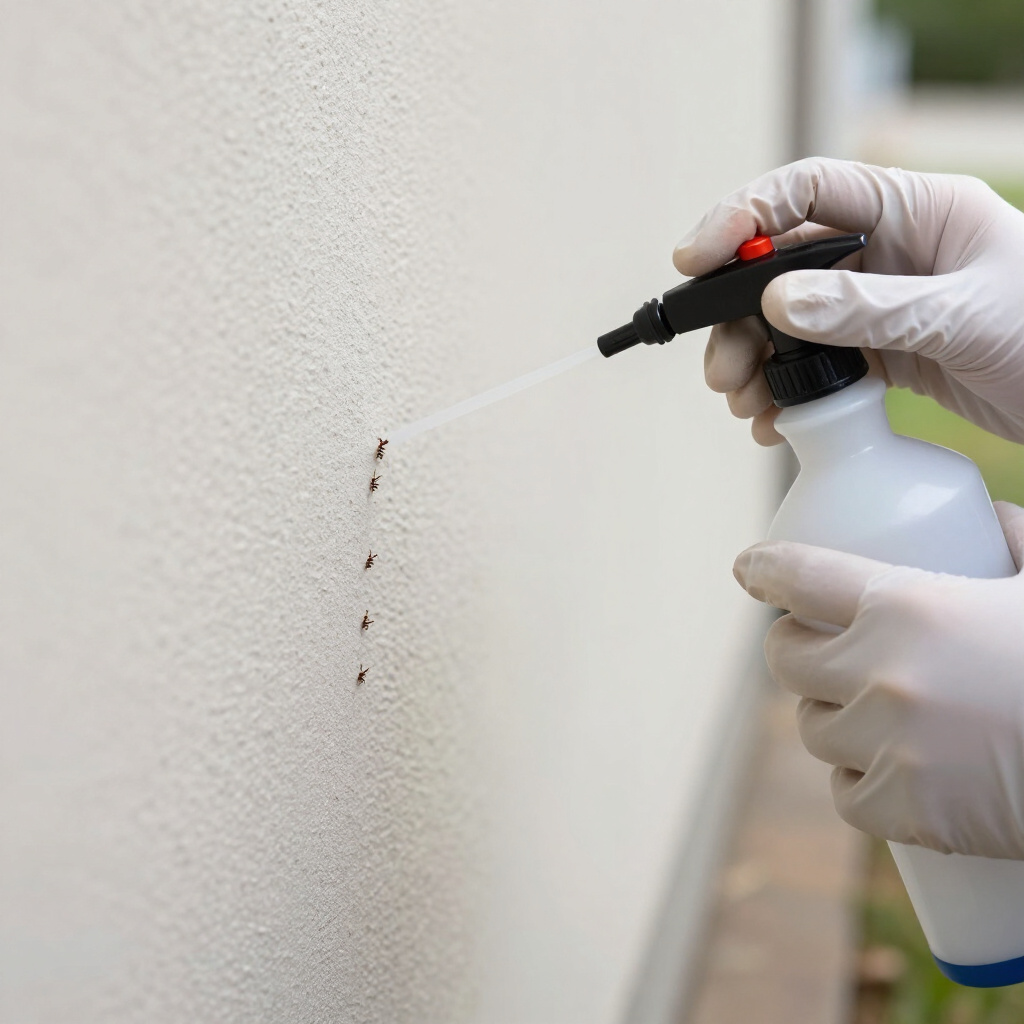


Pest Control Services in Oregon City, OR
Oregon City sits at the confluence of the Willamette and Clackamas Rivers, where historic homes, riverside properties, and newer hillside developments each face distinct pest pressures. The damp Pacific Northwest climate, combined with abundant tree cover and waterfront access, creates ideal conditions for carpenter ants, moisture-seeking rodents, and seasonal wasp activity throughout Multnomah County and surrounding areas.
Older neighborhoods near the McLoughlin Boulevard corridor and downtown's National Historic District contend with mature landscaping, crawl spaces, and original construction that provides multiple entry points for pests. Properties climbing the bluffs toward Canemah and the Newell Creek area experience different challenges, with wildlife corridors bringing deer mice, raccoons, and occasional skunk activity closer to residential foundations.
Modern subdivisions in the Hillendale and Park Place areas, while featuring updated building envelopes, still battle perimeter ant trails, subterranean termite pressure, and spiders drawn to exterior lighting. Seasonal fluctuations bring distinct concerns: spring swarms of odorous house ants, summer yellowjacket nest establishment, fall rodent interior migration, and winter moisture pest issues including silverfish and springtails.
Targeted Treatments for Oregon City's Climate
Effective pest management here requires understanding the microclimates created by elevation changes, river proximity, and dense vegetation. Riverside homes need moisture control integration with pest protocols, while bluff-top properties require attention to overwintering pest entry through soffits and roof intersections. Treatments typically emphasize exterior perimeter defense, reducing interior chemical application while maintaining protective barriers against the constant pressure of nearby green spaces.
Commercial properties along Highway 99E and in the historic downtown maintain additional requirements for discrete service scheduling, documentation for health inspections, and protocols appropriate for food service, retail, and professional office environments.
Common Pest Questions for Oregon City Homeowners
Why are carpenter ants such a persistent problem in Oregon City homes?
The mature Douglas fir and cedar forests surrounding Oregon City provide enormous carpenter ant colony populations. These ants don't eat wood but excavate galleries in moisture-damaged structural lumber. Homes with clogged gutters, improper grading, or ventilation issues in crawl spaces attract satellite colonies. The historic housing stock throughout the downtown and older neighborhoods often contains decades of accumulated moisture damage that remains hidden until ant activity reveals the extent of the problem. Effective control requires locating and eliminating parent colonies, often in nearby stumps or landscape timbers, plus addressing the moisture conditions that make structures attractive.
How does living near the Willamette River affect pest activity?
Riverside and waterfront-adjacent properties experience elevated humidity, reduced temperature variation, and abundant organic debris—all factors that increase pest survival and reproduction rates. Rodents travel along shorelines and bridge structures, accessing homes more readily than in inland areas. Mosquito pressure increases with standing water and slower-moving backwater areas. Spider populations thrive on the abundant flying insects drawn to water features. Homes in these locations typically benefit from more frequent perimeter maintenance, enhanced moisture management, and specialized attention to foundation and crawl space barriers that account for occasional high-water events and saturated soils.
What should I know about seasonal pest patterns in the Oregon City area?
March through May brings ant swarming and initial wasp queen activity as temperatures moderate. June through August sees peak yellowjacket and hornet nest development, plus increased spider visibility. September through November triggers rodent interior migration as temperatures drop and food sources diminish outdoors. December through February concentrates activity on overwintering pests—cluster flies, box elder bugs, and rodents established in attics and wall voids. Proactive homeowners schedule spring perimeter treatments before ant trails establish, summer nest inspections for stinging insects, and fall exclusion work before rodent pressure peaks. The mild winters mean some pest activity continues year-round rather than the complete dormancy seen in colder climates.