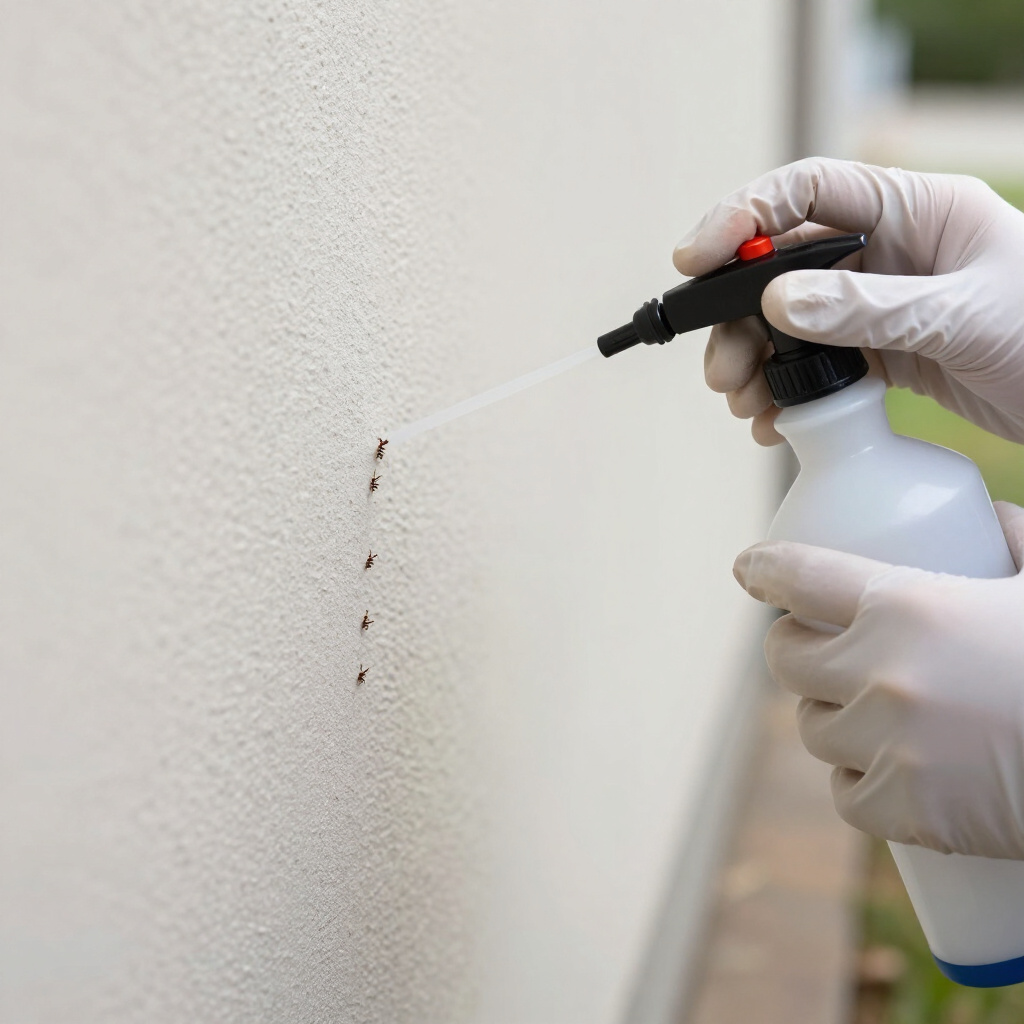


How to Choose a Pest Control Professional in Umatilla
Finding the right pest control provider in Umatilla means looking beyond flashy advertising to what actually matters for rural Eastern Oregon properties. Umatilla sits along the Columbia River in Morrow County, where agricultural surroundings, irrigation systems, and seasonal temperature swings create unique pest pressures you won't find in urban markets.
Start with Oregon Department of Agriculture licensing verification. Any legitimate operator must carry a commercial pesticide applicator license with proper structural pest control endorsements. Ask for your license number and cross-check it yourself—reputable professionals welcome this scrutiny.
Experience with Morrow County's specific conditions matters enormously here. Umatilla's proximity to irrigated farmland means seasonal ant swarms, rodent pressure from field edges, and occasional issues with voles and gophers that urban-focused companies rarely encounter. Ask prospective providers how many Umatilla-area properties they've serviced and what agricultural-adjacent challenges they've solved.
Request integrated pest management (IPM) approaches rather than blanket chemical applications. Quality professionals inspect first, identify species accurately, and target treatments precisely. This matters particularly near the Umatilla National Wildlife Refuge and Columbia River shoreline, where runoff concerns and wildlife interactions require environmental consciousness.
Finally, verify warranty terms and response protocols. Morrow County's remote location means some companies charge travel premiums or delay callbacks. Clarify whether retreatments are included, how quickly they'll return for persistent issues, and if there are mileage surcharges for Umatilla calls.
What to Expect from Pest Control Services in Umatilla
Your first service typically begins with a comprehensive property inspection, usually 45-90 minutes depending on structure size and acreage. Technicians examine foundation perimeters, crawl spaces, attic access points, moisture-prone areas, and outbuildings. In Umatilla's older homes and river-adjacent properties, they'll pay special attention to rodent entry points and moisture-attracted pests like carpenter ants.
Following inspection, you'll receive a written assessment documenting active infestations, conducive conditions, and a customized treatment plan with pricing. No reputable provider pressures same-day decisions—take time to review recommendations.
Initial treatment varies by pest type but commonly includes perimeter barrier applications, targeted interior treatments for active issues, bait station placement, and physical exclusion work like sealing entry points. For Umatilla's prevalent rodents, this often means exterior baiting programs combined with interior trapping until populations collapse.
Most residential programs transition to recurring maintenance visits—typically quarterly for general pest control, though monthly may be recommended during peak seasons or for persistent rodent pressure. Each follow-up includes exterior perimeter reinforcement, monitoring station checks, and interior spot treatments as needed.
Documentation matters: expect service reports noting what was applied, where, and in what quantities, plus notes on conditions observed and homeowner recommendations between visits.
Available Pest Control Services in Umatilla
Providers serving Morrow County typically offer tiered service structures addressing the region's most common invaders.
General Pest Control
Covers ants, spiders, wasps, boxelder bugs, and occasional invaders like millipedes and crickets. Quarterly programs maintain protective barriers through Umatilla's seasonal shifts, with enhanced coverage during spring emergence periods.
Rodent Management
Specialized programs addressing mice, rats, and occasionally ground squirrels or voles. These combine population reduction with exclusion work—critical for Umatilla properties near fields and irrigation canals where rodent pressure remains constant.
Termite and Wood-Destroying Organism Inspections
Required for real estate transactions and recommended for older structures. Subterranean termite risk exists though is moderate locally; carpenter ants present more frequent concern in moisture-compromised wood.
Seasonal and Specialty Services
Includes wasp nest removal, bed bug heat treatment, flea and tick yard treatments, and agricultural-adjacent pest consultation. Some providers offer wildlife conflict mitigation for raccoons, skunks, or bats requiring careful handling near protected habitats.
Commercial and Agricultural Support
Warehouses, food processing facilities, and farms near Umatilla require specialized programs meeting audit standards and addressing commodity-specific pest pressures not typical in residential work.
Frequently Asked Questions
How quickly can I get service in Umatilla?
Most providers serving Morrow County offer appointments within 3-7 business days for non-emergencies. Same-day or next-day service may be available for urgent issues like wasp nests near entryways or severe rodent infestations, though travel from Hermiston or Tri-Cities can affect scheduling.
Are pest control treatments safe near the Columbia River?
Licensed applicators follow buffer zone requirements and use formulations selected for lower environmental persistence near waterways. IPM-based providers minimize chemical use through physical controls and precise application. Always discuss proximity concerns with your technician before treatment.
Why do I have more ants during irrigation season?
Umatilla's agricultural irrigation increases soil moisture and can displace ant colonies from fields toward drier foundations. Saturation also drives ground-dwelling species to seek elevated nesting sites. Consistent perimeter treatments and moisture management around your structure help counter these seasonal pressures.
Do I need year-round service or just seasonal treatments?
Eastern Oregon's temperature extremes mean pest pressure shifts rather than disappears. Rodents seek winter shelter while ants, spiders, and wasps peak in warm months. Year-round maintenance prevents population establishment during vulnerable periods and typically costs less than restarting interrupted service.